
Read this news item on the PEPR SPIN website
Enhanced technological capabilities
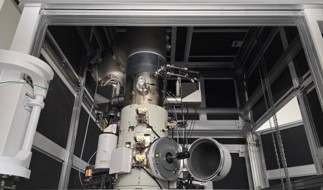
The Raith Pioneer II delivers exceptional performance for our core expertise areas:
This acquisition accelerates our capacity to develop and prototype groundbreaking devices in the fields of 2D nanoelectronics, spin sensors, and quantum magnetic architectures, further strengthening STnano’s service portfolio..
A collective investment in European innovation
We would like to warmly thank the Région Grand Est, the PEPR Electronique, Eurometropole de Strasbourg, CNRS, Strasbourg University, the European Union, Interreg Upper Rhine Valley program within the UpquanVal project for their vision and commitment to technological excellence. This strategic support is essential for maintaining the competitiveness of our innovation ecosystem in the Grand Est region and enhancing STnano’s attractiveness to the European scientific and industrial community.
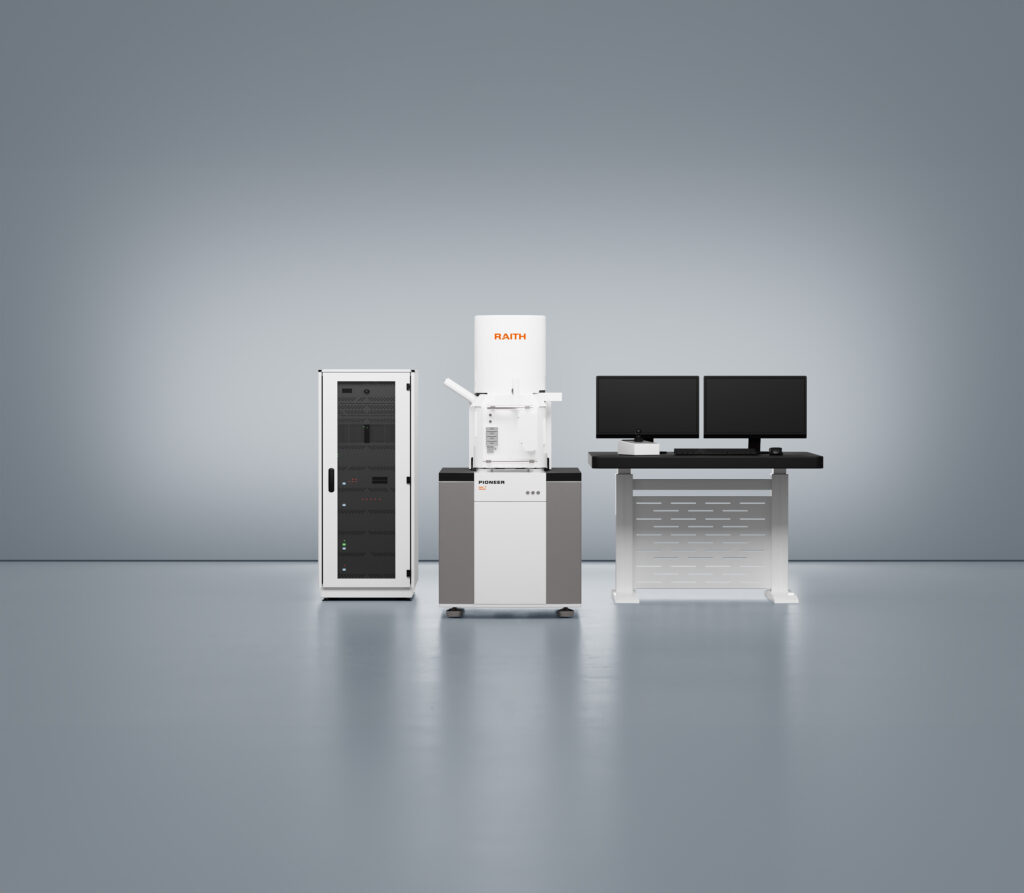
© image courtesy of the RAITH Group
🎥 Stay tuned — we’re preparing an unboxing video!
The Raith Pioneer II will arrive end of 2026. We’re preparing an unboxing video for you to discover firsthand the exceptional capabilities of this new platform. Follow our social media channels so you don’t miss this high-level technological demonstration.
This is a defining moment for the future of nanotechnology in Strasbourg
Contact : Hicham Majjad
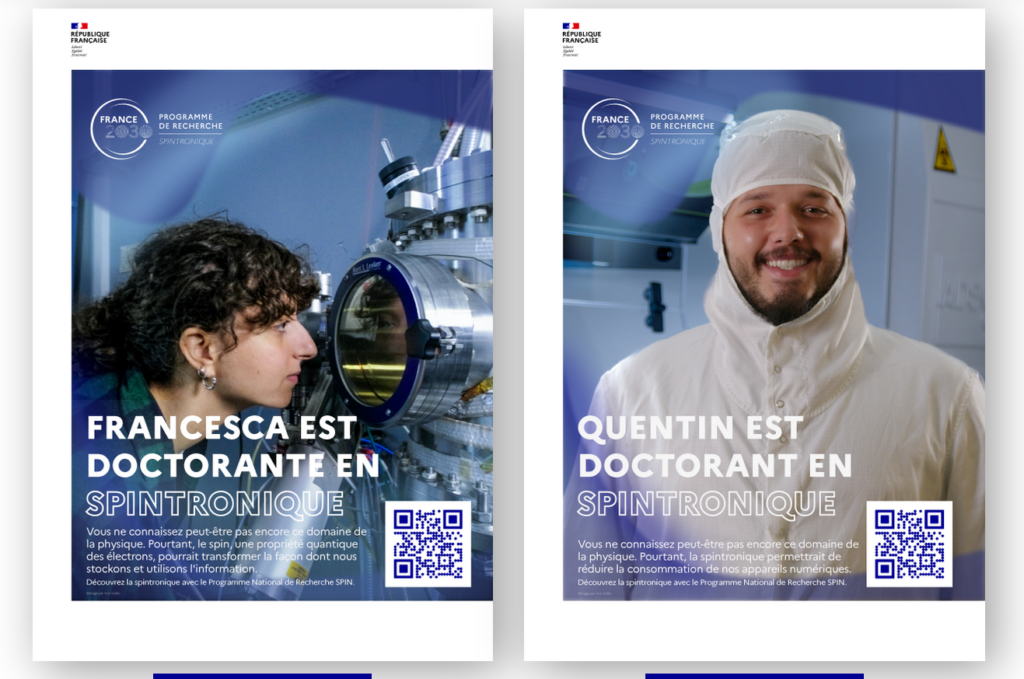
Francesca Alimonti (a PhD student at DCMI in the ‘Thin-film Oxides’ group) and Quentin Rossi (a PhD student at DMONS in the ‘Nanomagnetism and High Frequencies’ group) are taking part in this campaign.
The SPIN Research Programme presents the research posters of its PhD students, who are affiliated with CNRS and CEA laboratories. This work illustrates the breadth and diversity of the research being carried out within the programme in the field of spintronics
Have a look to the SWING project web page managed by Matthieu Bailleul, researcher at CNRS in IPCMS Strasbourg
Download the PDF
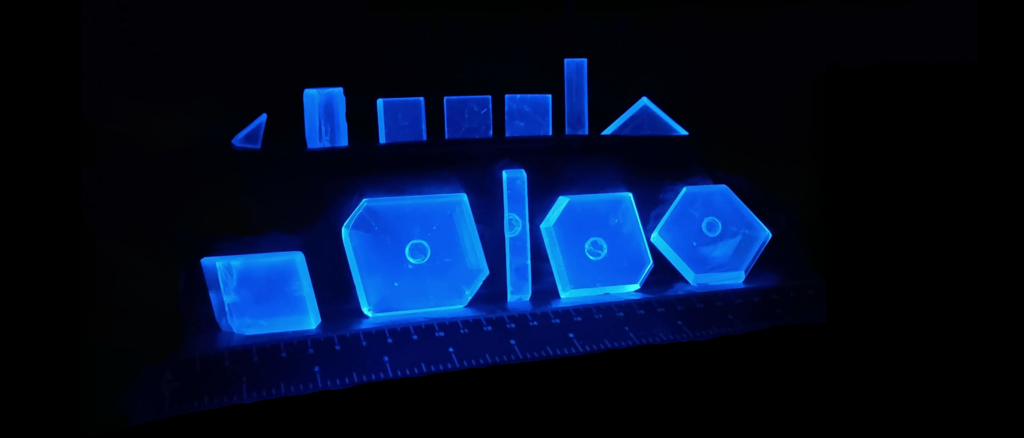
Today marks a major step forward: we are officially launching Lumensium, a deep tech start-up dedicated to replacing Helium-3 in neutron detection with an efficient, sustainable and safe material!
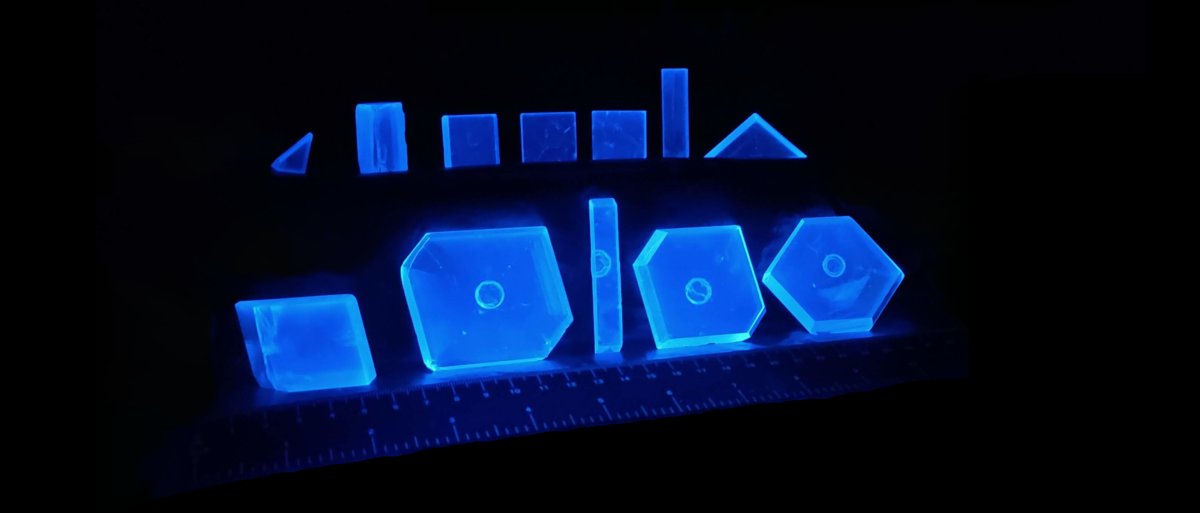
We have developed Lumoxa, which uses light and abundant elements to detect high- and low-energy neutrons in a single material and differentiate them from gamma rays. As a perfectly transparent crystalline solid, it paves the way for the miniaturisation of existing devices.
We would like to thank our founders Nicolas del Giudice, PhD, and Laurent Douce, the many people who support us (the Institute of Physics and Chemistry of Materials in Strasbourg – IPCMS, SEMIA with Pauline Carion, and the RISE Programme of CNRS Innovation), and our partners (STFC, ILL – Institut Laue Langevin, the Néel Institute, the Léon Brillouin Laboratory of the CEA, Bpifrance) for believing in this vision.
Our mission: to manufacture Lumoxa from start to finish (using the greenest possible chemical synthesis, low-temperature crystallogenesis and shaping), refine our understanding of the material and develop innovative devices incorporating Lumoxa crystals with our partners.
If you would like to find out more, collaborate or join the adventure (whether as a researcher, customer or partner), please do not hesitate to contact us!
Web site : www.lumensium.com
The dedicated page on the Conectus website:
https://www.conectus.fr/creation-de-la-startup-remedy-propulsee-par-la-satt-conectus-et-quest-change